Selective feed
Quarry or purchased stone is sampled for chemistry, whiteness, moisture and contaminating veins.
Decision: sellable gradeLIMESTONE / CALCITE / GROUND CALCIUM CARBONATE
A practical, process-first guide to crushing, conveying, dry ultrafine grinding and classification - with CRGM1000, CRGM2000 and CRGM3000 selection data for calcite powder plants.
01 / MATERIAL INTELLIGENCE
Limestone is a carbonate rock, usually dominated by calcite (CaCO3). A limestone grinding mill does not correct geology: purity, crystal habit, whiteness, silica, clay, MgO and moisture remain visible in wear rate, power demand and final powder value.
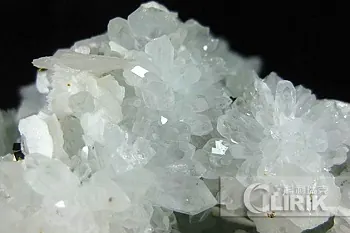
ChemistryCaCO3, MgO, SiO2, Fe2O3 and acid insolubles define the reachable market.
Optical propertiesWhiteness, brightness and yellowness matter in paper, coatings, plastics and masterbatch.
Physical behaviorMohs hardness, work tendency, moisture and clay affect crushing, flow and specific energy.
Powder performanceD10/D50/D97, oil absorption, bulk density and surface area are more useful than mesh alone.
GLOBAL CONTEXT
There is no single, comparable global census for “calcite mines.” Many countries report limestone, dimension stone, crushed stone or lime instead. The chart therefore uses 2024 lime output as a transparent industrial limestone activity proxy, not as calcite reserves or GCC production.
Commercially important carbonate belts and high-purity sources are found across China, India, Southeast Asia, Turkey, the Mediterranean, North Africa, North America and Brazil. Local beneficiation and selective quarrying decide whether a deposit is suitable for filler-grade calcite powder.
Method and source notes02 / POWDER SPECIFICATION
Fine limestone powder is not automatically better. The useful grade is the one that gives the required packing, surface response, opacity, rheology or reaction rate without adding unnecessary grinding energy.
ENGINEERING WINDOW
Common for coatings, paper, sealants and higher-quality dry mixes where smoothness and controlled top size matter.
| Typical powder window | Common use | Why this size is selected | Key quality checks |
|---|---|---|---|
| 200-325 meshabout 45-74 µm | Dry-mix mortar, cement filler, soil and flue-gas applications | Provides economical packing and available reactive surface without ultrafine energy cost. | Moisture, CaCO3, oversize, bulk density |
| 325-600 meshabout 23-45 µm | Putty, rigid PVC, rubber, general coatings | Improves filling, stiffness and surface finish while retaining manageable viscosity. | D97, whiteness, oil absorption, dispersion |
| 600-1250 meshabout 10-23 µm | Paper, architectural coatings, adhesives, engineered stone | A narrower top cut supports smoothness, opacity, printability and higher mineral loading. | D50/D97, brightness, residue, particle shape |
| 1250-2500 meshabout 5-10 µm | Masterbatch, high-grade coatings, cable, specialty sealants | Higher surface area and fine packing improve finish and reinforcement, but demand better dispersion. | Surface area, agglomeration, moisture, surface treatment |
| D97 ≤ 5 µmspecialty ultrafine | High-performance formulations and selected functional fillers | Used only when the formulation benefits from very high surface area and a tightly controlled coarse tail. | Laser PSD, contamination, temperature, specific energy |
Mesh is only a shorthand. Purchase specifications should define the test method and at least one distribution value such as D97, because powders with the same mesh label can behave differently.
03 / PROCESS DESIGN
A stable limestone grinding mill depends on the line around it. Crushing controls top size; storage and conveying stabilize the feed; classification determines how much energy becomes saleable powder.
Quarry or purchased stone is sampled for chemistry, whiteness, moisture and contaminating veins.
Decision: sellable gradeA jaw crusher reduces large blocks. Grizzly separation removes fines and protects the crusher from overload.
Typical intermediate: 80-150 mmHammer, impact or roll crushing prepares a consistent mill feed while magnets remove tramp metal.
CRGM feed target: ≤20 mmBucket elevator, bin and variable-speed feeder decouple the crusher from the mill and prevent feed surges.
Control: stable mass flowMulti-layer rollers compress and shear particles in ring channels. Airflow lifts the released powder.
Control: pressure, feed, airflowThe high-speed classifier rejects coarse particles to the mill and passes qualified limestone powder.
Control: rotor speed and D97Cyclones recover most product; the pulse bag filter captures the remaining fines under negative pressure.
Control: pressure drop and emissionsPowder moves to silos, surface treatment if required, then valve-bag, FIBC or bulk loading.
Control: lot identity and moisture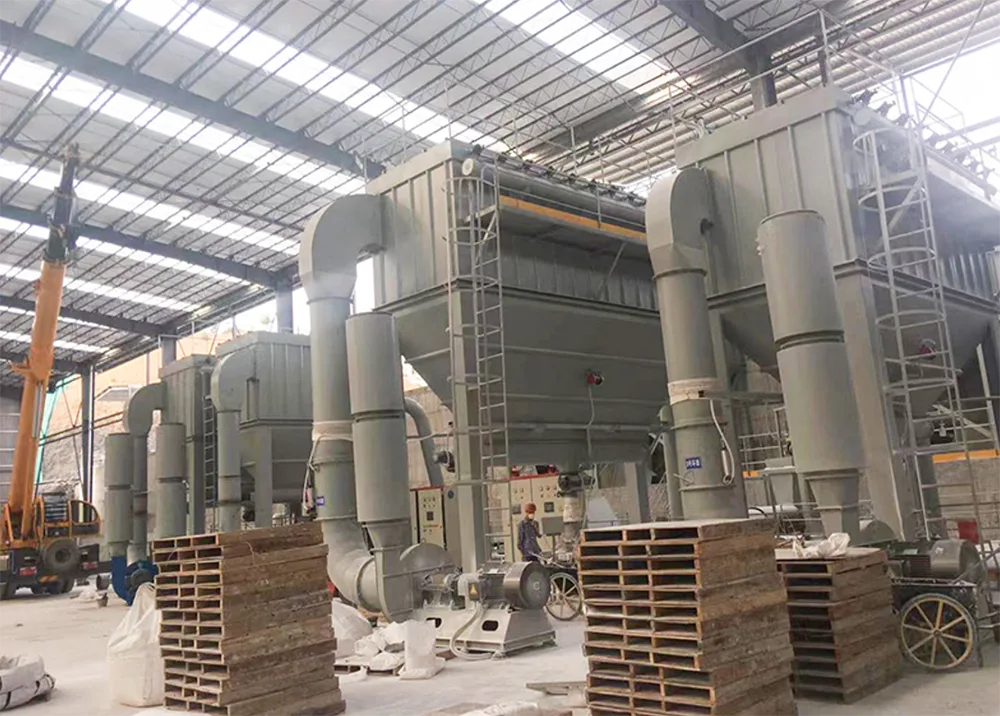
THE BALANCE OF PLANT
04 / MILL SELECTION
Raymond mills, ball mills, ring roller mills and vertical mills can all process limestone. The right choice depends on the target distribution, capacity, flexibility, contamination tolerance and plant economics.
| Mill type | Practical strength | Typical product window | Trade-offs | Best fit |
|---|---|---|---|---|
| Raymond mill | Simple dry circuit, mature operation and economical conventional powder | Commonly 80-325/400 mesh, depending on model and classifier | Capacity falls as the target moves deep into the ultrafine range; broader coarse tail | Construction powder, general filler, moderate fineness |
| Ball mill + classifier | Flexible scale, robust operation, suitable for dry or wet circuits | Fine to ultrafine with a properly sized closed-circuit classifier | Larger footprint, grinding media wear, potentially higher contamination and circulating load | Large plants, wet grinding, multiple mineral systems |
| CRGM ring roller mill | Multi-stage compression/shear with dynamic classification and compact dry circuit | Official family: about 300-3000 mesh; strongest fit is application-specific | Feed moisture and stable dosing need close control; material testing is essential | Calcite and limestone ultrafine powder, GCC filler grades |
| Vertical roller mill | High throughput, integrated drying and efficient fine powder production | Broad fine-powder range with strong capacity at coarser ultrafine targets | Higher project scale and capital threshold; less attractive for small specialty campaigns | Centralized high-capacity powder plants |
| Jet mill | Very fine product and low mechanical contamination | Specialty micron and sub-micron applications | High compressed-air energy demand and lower mineral-filler economics | High-value specialty powders |
Use a laser particle-size target and acceptable coarse tail, not only a mesh number.
Capacity must be stated at the target fineness and chemistry, not at the mill's easiest grade.
Include crusher, feeder, classifier, collector, fan, silos, wear parts and installed power.
A mixed quarry sample is more useful than a hand-picked white stone.
05 / CRGM SYSTEM
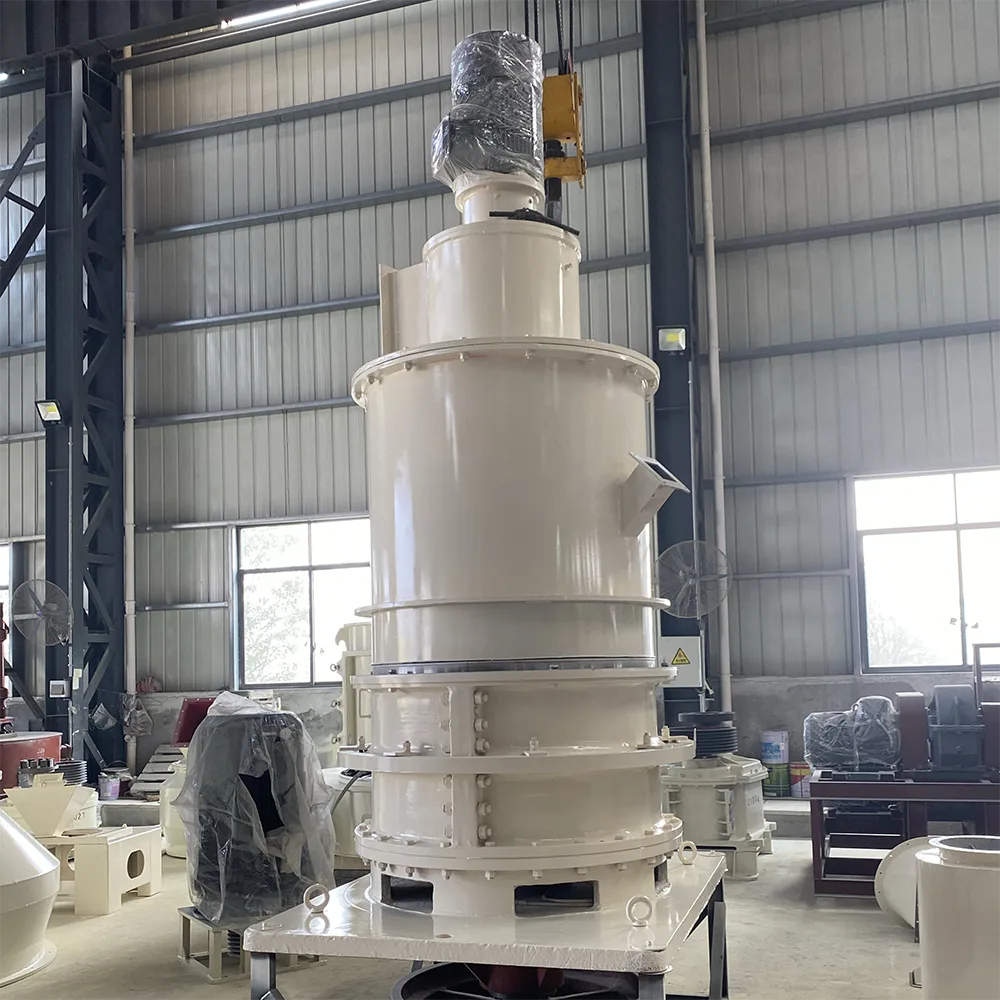
The CRGM is a dry, multi-stage ring roller grinding system. It combines repeated compression and shear with a high-efficiency classifier, cyclone collection and pulse filtration in a closed pneumatic circuit.
Prepared limestone is metered into the center of the grinding chamber. Centrifugal force distributes it toward the ring channels.
The main shaft drives several turntables. Rollers rotate in their tracks and repeatedly compress, shear and deagglomerate the material.
The fan creates a controlled upward flow. Fine particles leave the grinding zone while heavier particles remain for further grinding.
A variable-speed turbine classifier passes on-spec powder and returns coarse material. Classifier speed, airflow and feed rate work together.
Cyclone collectors discharge most powder; the pulse bag filter captures residual fines and clean air leaves through the muffler.
Several roller-ring zones increase the number of effective grinding contacts without depending on a single pass.
The vertical turbine classifier is designed for a controlled D97 and automatic return of coarse powder.
Local product literature reports configurations reaching D97 ≤ 5 µm; the actual result requires material testing.
VFD adjustment helps coordinate classifier speed, feed rate and fan conditions during grade changes.
Enclosed conveying, cyclone separation and pulse filtration support clean, continuous powder handling.
Rollers, rings, pins, classifier parts and filter bags are designed as maintainable, replaceable process components.
06 / MODEL DATA
The values below reproduce the current official X-configuration table for calcium-carbonate-class feed. They are selection references, not unconditional guarantees. Final capacity and energy depend on material, moisture, classifier setting and the complete circuit.
| D97 mesh | Capacity (kg/h) | Specific power (kWh/t) | Installed power |
|---|---|---|---|
| 800 | 2,500-2,800 | 43 | 152 kW |
| 1250 | 1,500-1,800 | 67 | 152 kW |
| 1500 | 1,000-1,300 | 92 | 152 kW |
| 2000 | 650-750 | 125 | 152 kW |
| 2500 | 600-650 | 135 | 152 kW |
| D97 mesh | Capacity (kg/h) | Specific power (kWh/t) | Installed power |
|---|---|---|---|
| 800 | 4,000-4,500 | 40 | 237 kW |
| 1250 | 4,000-4,500 | 68 | 237 kW |
| 1500 | 4,000-4,500 | 92 | 237 kW |
| 2000 | 4,000-4,500 | 110 | 237 kW |
| 2500 | 4,000-4,500 | 119 | 237 kW |
| D97 mesh | Capacity (kg/h) | Specific power (kWh/t) | Installed power |
|---|---|---|---|
| 800 | 5,500-7,000 | 37-38 | 287-340 kW |
| 1250 | 3,500-4,000 | 50-56 | 287-340 kW |
| 1500 | 2,500-3,000 | 67-70 | 287-340 kW |
| 2000 | 1,500-2,000 | 100-114 | 287-340 kW |
| 2500 | 1,100-1,500 | 134-153 | 287-340 kW |
| 3000 | 1,000-1,200 | 183-208 | 287-340 kW |
Published naming: official data uses CRGM1000X, CRGM2000X and CRGM3000X. This page uses the requested CRGM1000/2000/3000 family names for readability.
Capacity basis: capacity should always be reconfirmed against a representative limestone or calcite sample and an agreed D97 test method.
Coarser high-output grades: separate C configurations are available for selected 200-1250 mesh duties; the circuit should be selected by target product, not model number alone.
07 / APPLICATIONS
CRGM equipment is designed for brittle, non-flammable minerals generally below Mohs 6-7, subject to test. Limestone and calcite are central, but the same grinding platform can be configured for related industrial minerals.
GCC for coatings, PVC, masterbatch, paper and sealants.
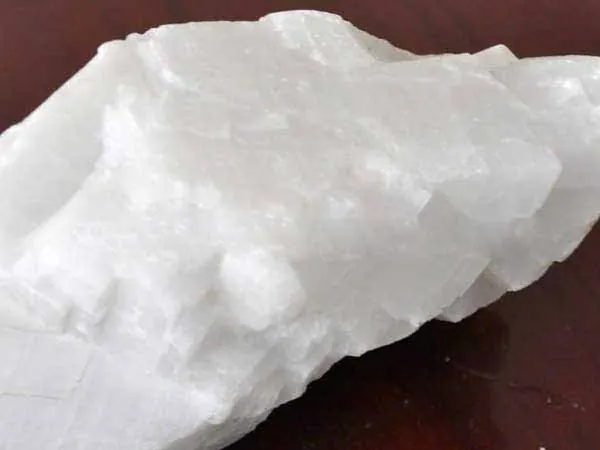
Construction powder, mortar, desulfurization and fillers.
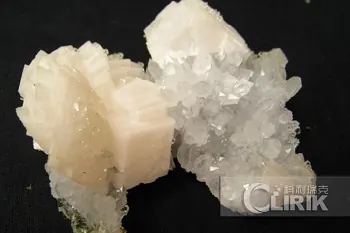
Ca-Mg mineral filler for glass, ceramics and construction.
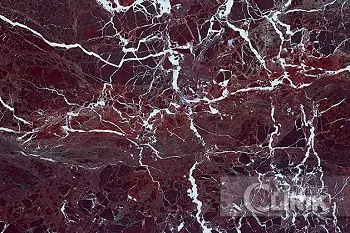
Bright calcium carbonate feed for higher-value filler grades.
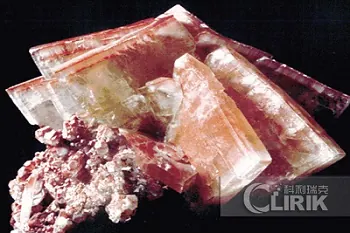
Weighting, chemical and filler powder with density control.
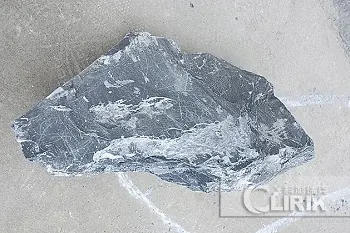
Plastics, coatings, ceramics and functional filler systems.
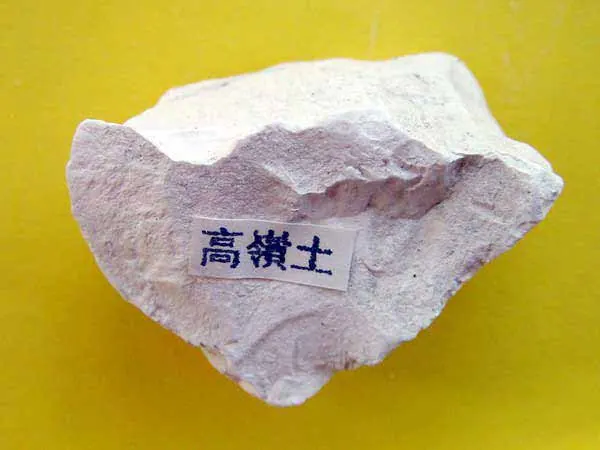
Paper, ceramics and coatings after suitable drying and testing.
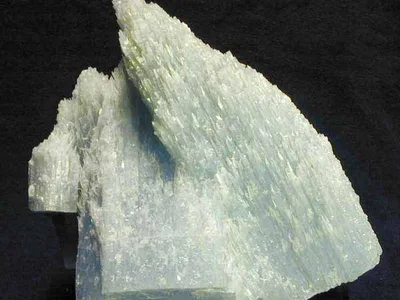
Building materials and formulated powder products.
08 / FIELD WORK
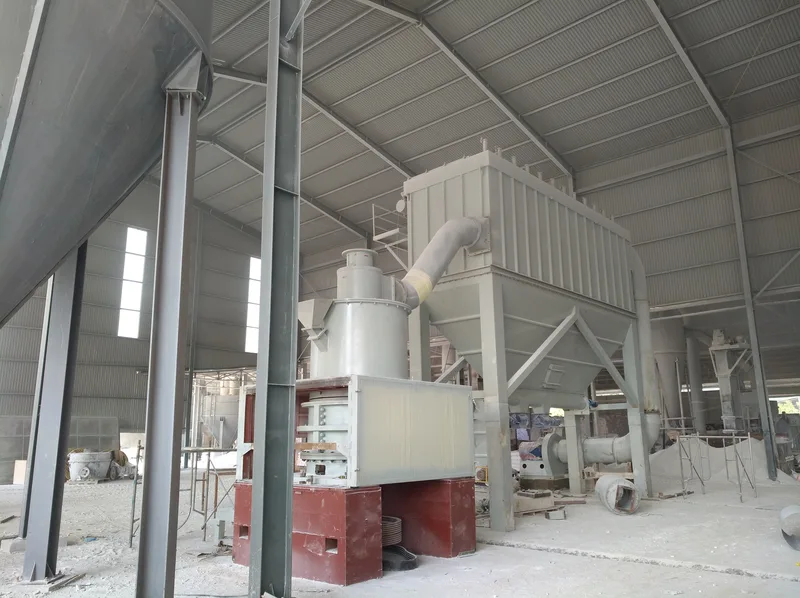
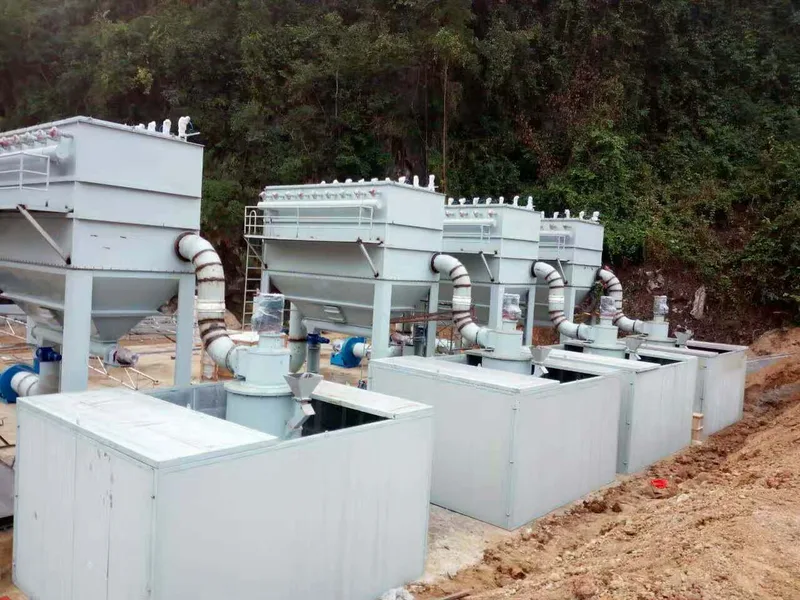
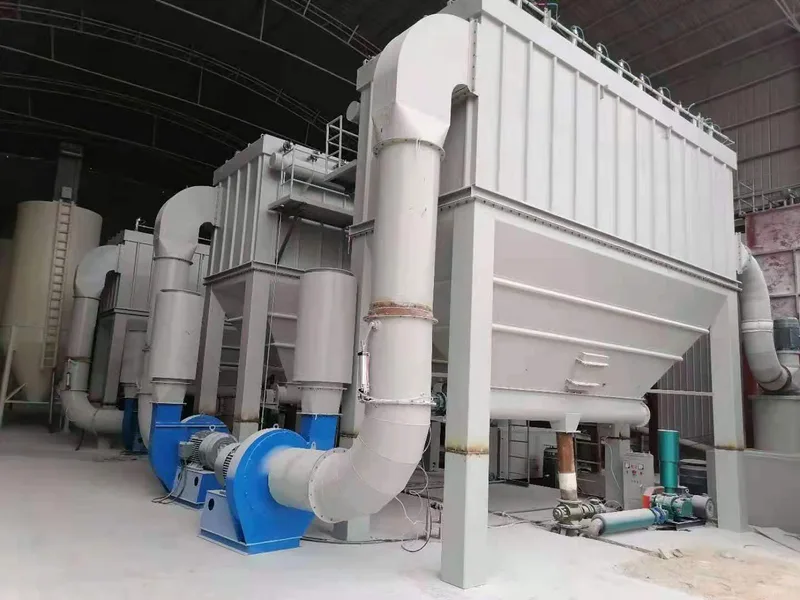
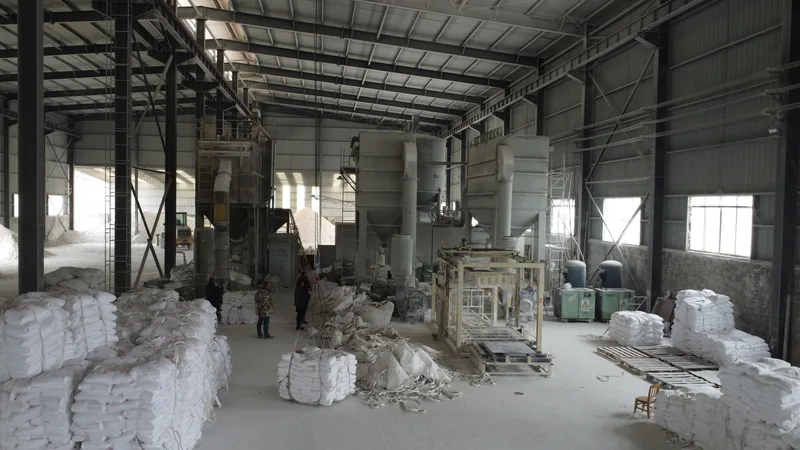
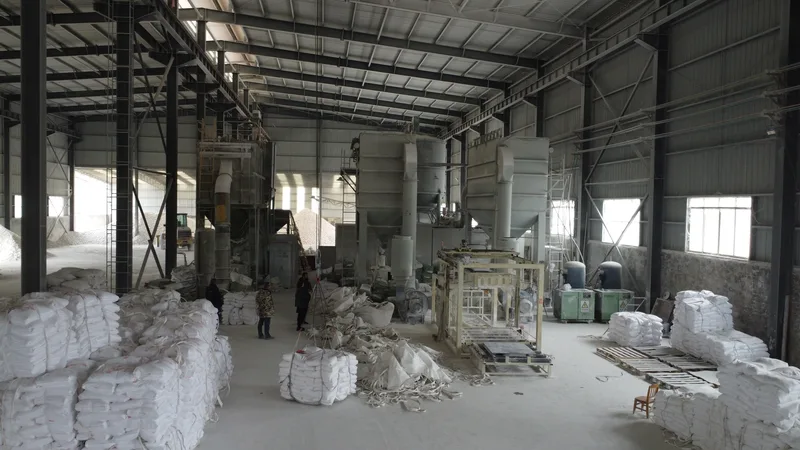
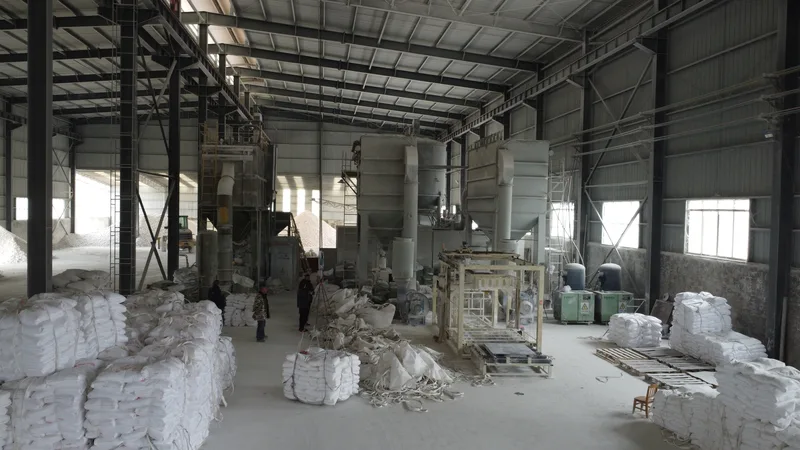
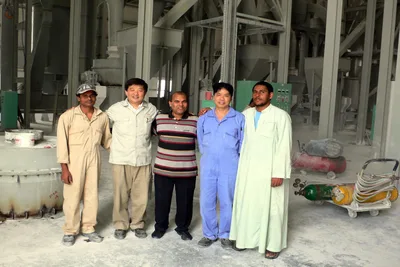
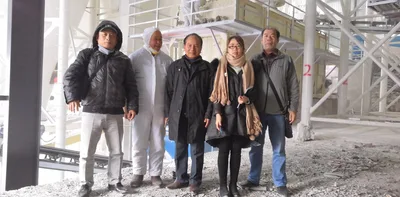
Project performance is created by feed preparation, layout, airflow, installation and commissioning together. The media below comes from Cronus factory and customer-site archives.

OPERATION VIEW
During a site review, engineers check feed stability, dust-collector pressure, classifier response, product temperature, vibration, power trend and the consistency of packed powder.
09 / MANUFACTURING BASE
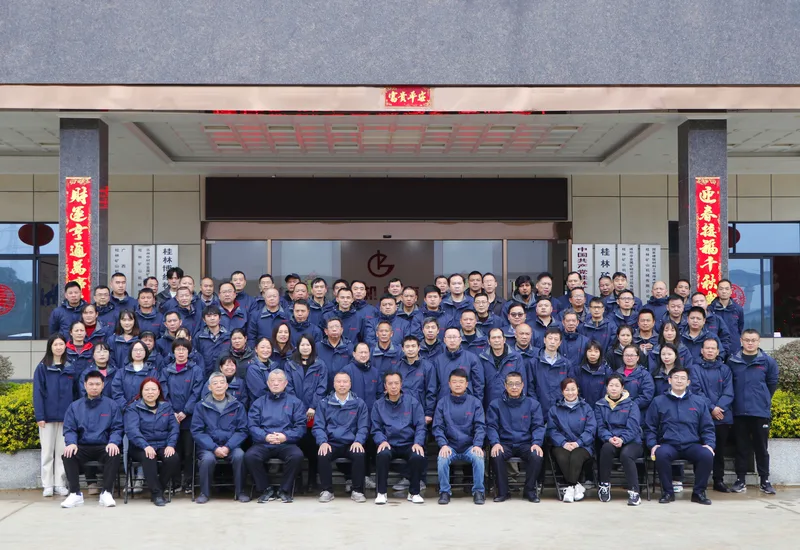
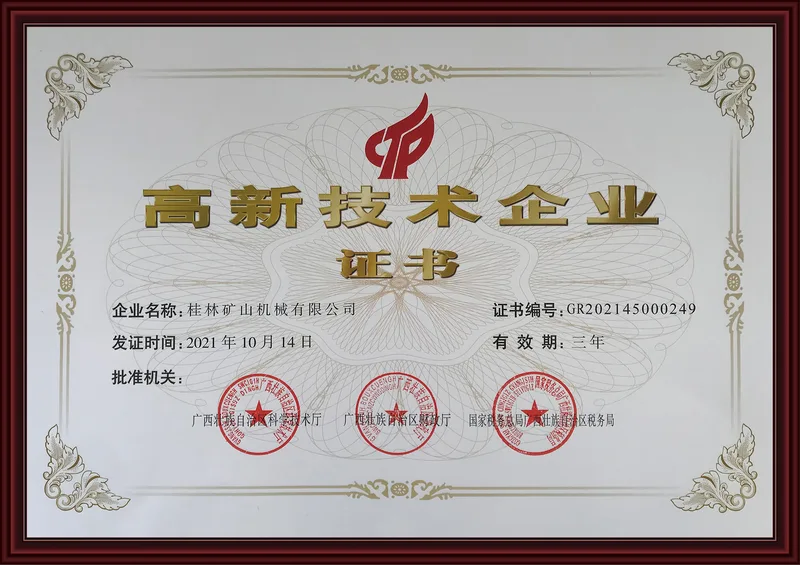
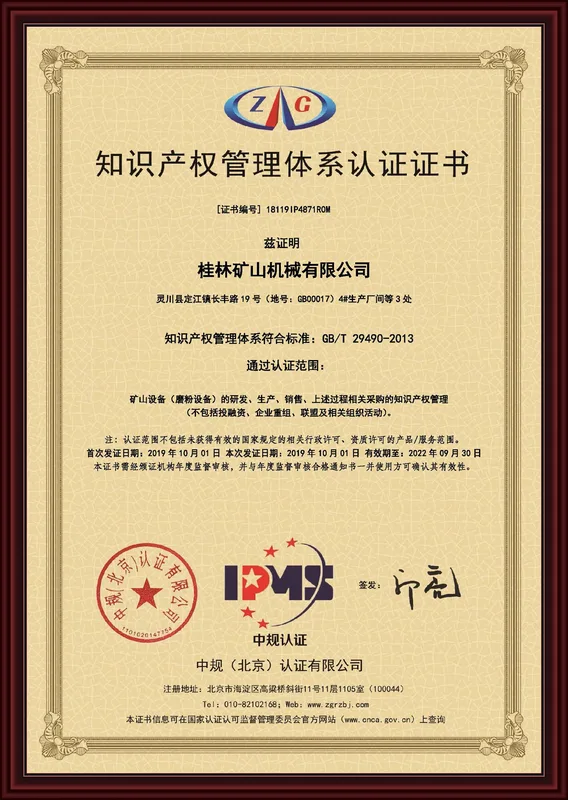
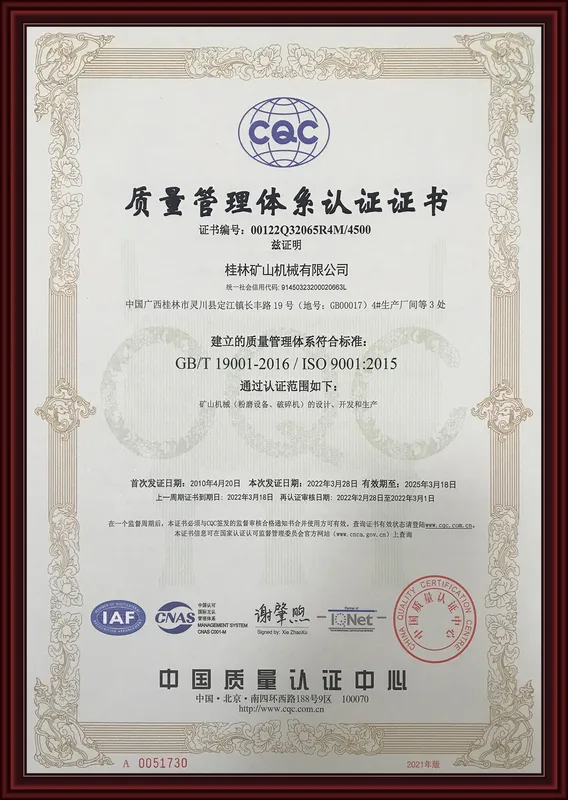
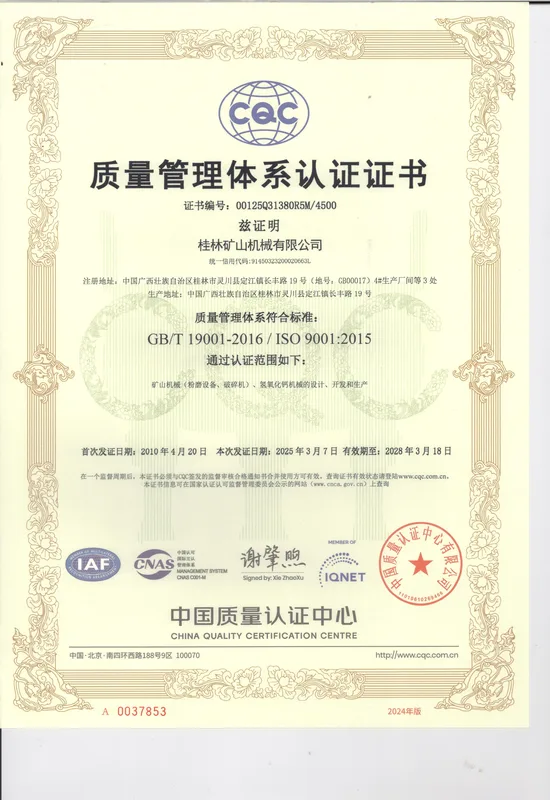
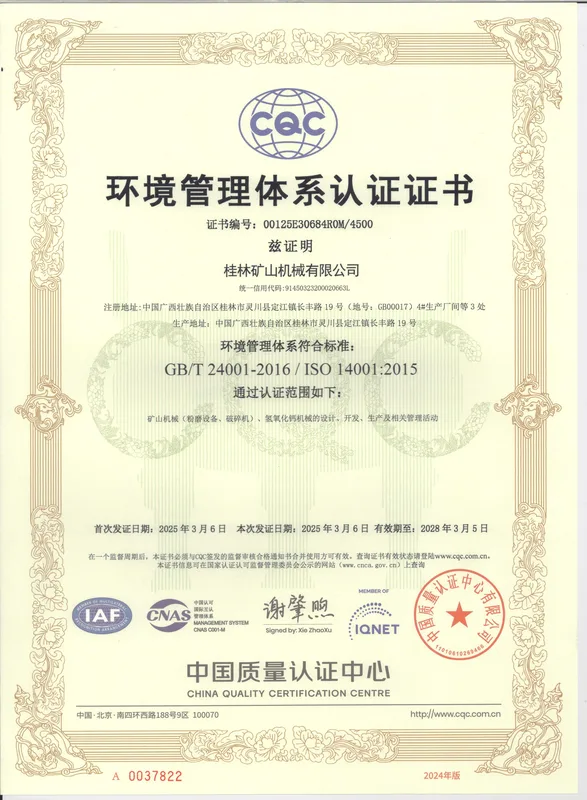
Cronus is a subsidiary of Guilin Mining Machinery. The manufacturing group was founded in 1973 and brings more than 50 years of powder-equipment design, casting, machining, assembly and field-service experience.
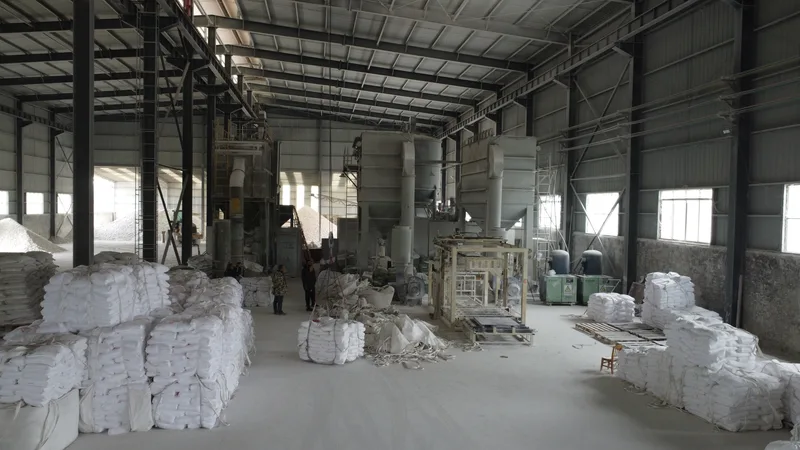
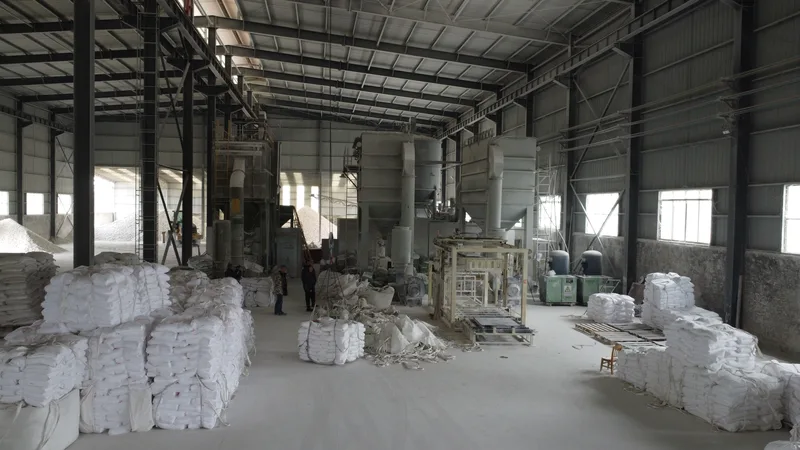
The organization develops mineral grinding systems and supports the whole route from crusher and feeder selection to classifier, cyclone, bag filter, silo and packing. Company-reported facilities include a 20,000 m² base, standardized heavy workshops and more than 200 sets of processing, welding and assembly equipment.
10 / WEAR PARTS
Wear is not only a maintenance cost. Changes in roller profile, ring condition or classifier geometry can alter capacity, top size and contamination. Matched OEM parts preserve the original mechanical and process clearances.
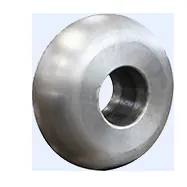
Profile, hardness and material are selected for stable contact and abrasion resistance.
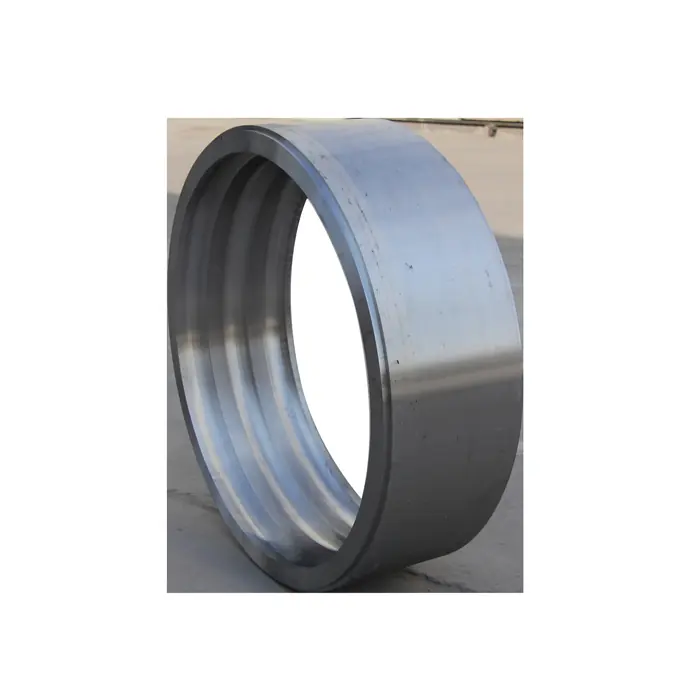
Matched ring geometry supports even material distribution through each grinding layer.
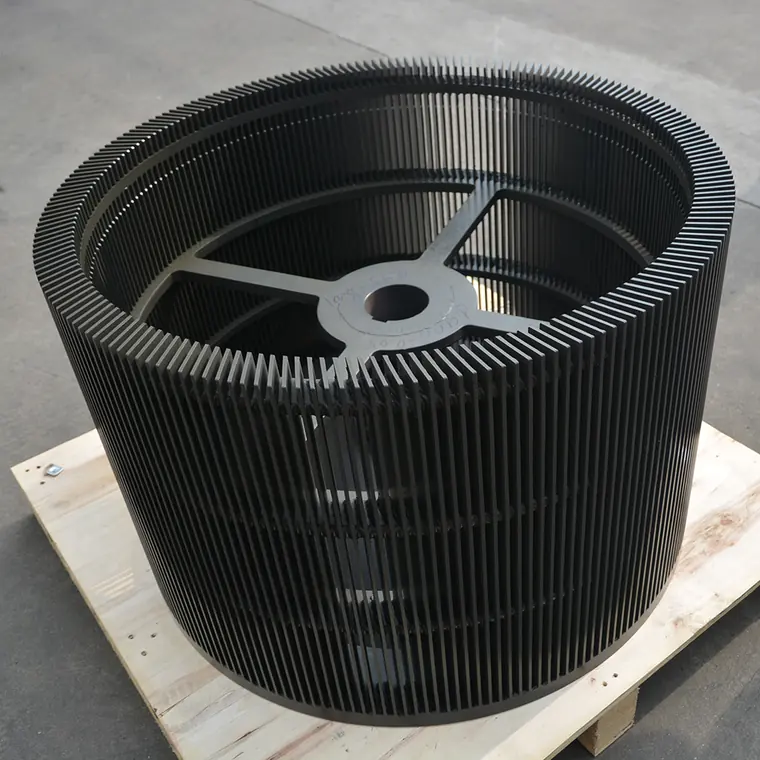
Blade condition and balance directly influence cut size, vibration and coarse-particle leakage.
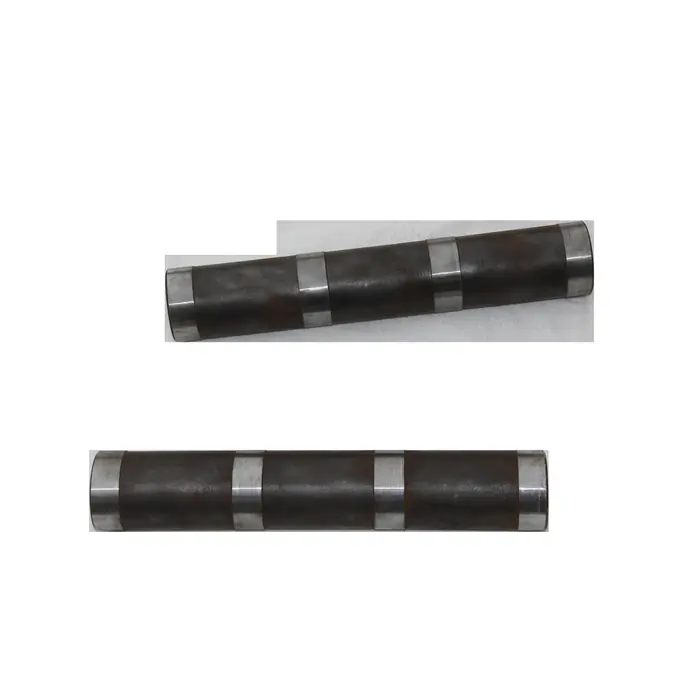
Controlled fits and heat treatment protect the roller assembly under cyclic loading.
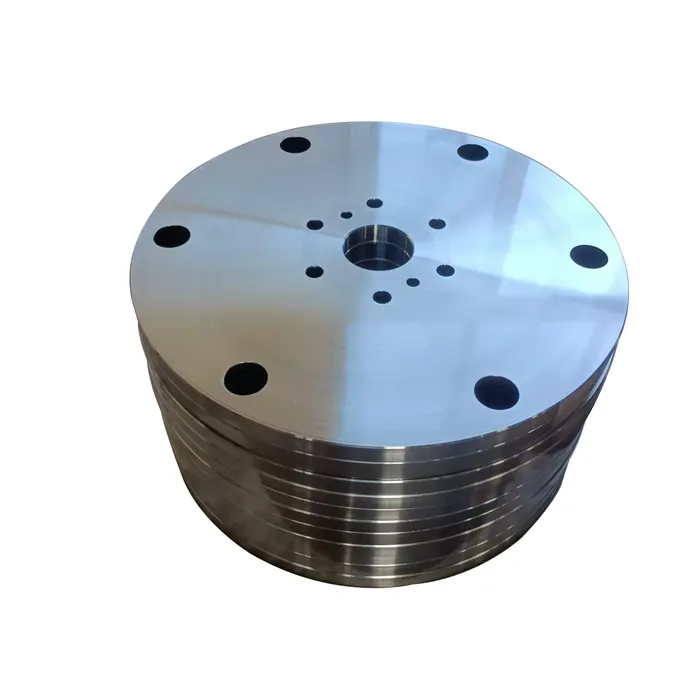
Precision machining keeps the roller layers aligned and transfers torque consistently.
11 / PROJECT SUPPORT
A limestone grinding mill project is complete only when operators can hold the required powder specification safely and repeatedly.
Review chemistry, moisture, feed size, target PSD, capacity and downstream formulation.
Define crushing, storage, dosing, grinding, classification, collection and packing scope.
Coordinate foundations, access, maintenance space, utilities, fabrication and quality records.
Check equipment position, alignment, piping, electrical interfaces and safety interlocks.
Tune feed, fan and classifier settings against agreed throughput and particle-size targets.
Operator training, maintenance schedules, troubleshooting and matched spare-part supply.
CUSTOMER VISITS
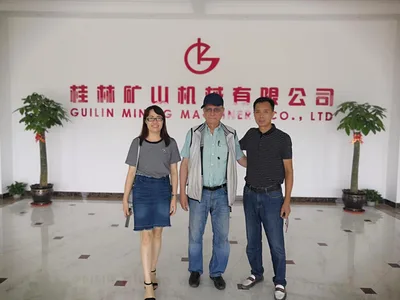
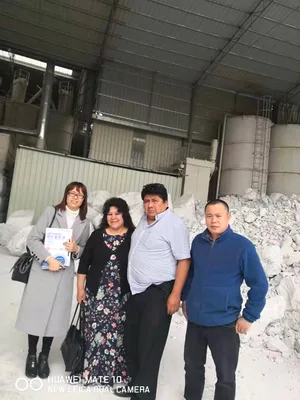
Customers visit the factory to inspect machining, assembly, test procedures and comparable project equipment before confirming plant configuration.

12 / FAQ
These answers are screening guidance. A representative sample test and project-specific process calculation remain the basis for final selection.
Calcite is the mineral calcium carbonate, CaCO3. Limestone is a rock commonly made mainly of calcite, but it may also contain dolomite, silica, clay, iron-bearing minerals and organic matter. Those impurities affect whiteness, abrasion and market suitability.
A controlled feed of 20 mm or smaller is the normal reference for the CRGM grinding stage. Large quarry stone needs primary crushing and usually secondary crushing before storage and metered feeding.
Low, stable moisture is preferred for dry ultrafine grinding. The limit depends on clay content, ambient conditions, target fineness and available hot air. Flow testing should be included when the material is damp or seasonal.
Official X-configuration data includes 2500 mesh for all three model families and 3000 mesh for CRGM3000X. Actual D97, capacity and energy must be validated with the limestone sample and agreed test method.
D97 states that 97% of measured particles are below a defined size under a specified test method. A mesh label mainly describes a screen opening and does not fully describe the fine distribution, agglomeration or coarse tail.
Raymond mills are strong conventional fine-powder machines. CRGM uses multi-layer ring roller grinding and a dedicated ultrafine classifier to retain useful output at much finer grades and to control the coarse tail more closely.
A ball mill may be preferable for wet grinding, very large centralized plants, or when an existing classifier and media circuit already fit the process. Compare total installed equipment, media wear, footprint, contamination and circulating load.
Yes. Variable classifier speed, airflow and feed control allow grade changes. Separate finished-product silos, sampling plans and cleaning procedures are advisable when cross-contamination matters.
Send chemistry, moisture, feed size, target D50/D97 or mesh, required throughput, daily operating hours, power standard, installation altitude, final packing method and available building dimensions.
Life varies widely with silica, hardness, feed size, operating pressure and material choice. Track wear by output, power, vibration and product PSD rather than replacing parts on calendar time alone.
A standard complete circuit can include the main unit, classifier, double cyclone, pulse bag filter, fan, motor, piping and muffler. Crusher, elevator, feeder, silos, controls and packing can be added to project scope.
Yes, but coating is a downstream operation. The base powder must first meet particle-size, moisture and temperature requirements before entering a compatible surface-treatment system.
Capacity is confirmed at the target fineness using representative feed, a defined test method and an agreed process boundary. The published table is a useful screening reference, not a substitute for the material test.
Support can cover installation review, commissioning, operator training, maintenance planning, remote troubleshooting, site service and original spare-part supply according to the project contract.
START WITH THE SAMPLE
Send the material, target fineness and capacity. Cronus can review the likely process route and the information needed for a representative test.
TECHNICAL REFERENCES
Technical values on this page are educational selection references. Final guarantees belong in the signed process specification after representative material testing.